





Wisdom Tooth Extractions – Waterbury, CT
Remove Your Unnecessary Teeth
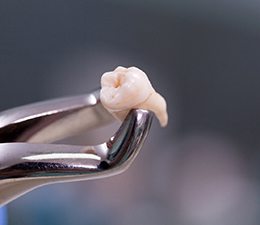
If you go back in time, wisdom teeth had a purpose for our ancestors. However, today, more often than not, wisdom teeth aren’t needed to maintain a fully functioning smile. In fact, they can be harmful to the health of your smile if they become impacted or stuck under the gums. In many cases, it is best to have your third molars removed. At Waterbury Smiles, we can help to remove your unnecessary teeth. To learn more about this procedure or to schedule a consultation, contact us.
Why Choose Waterbury Smiles for Wisdom Tooth Extractions?
- Comfortable, Professional Office Environment
- Dental Insurance Welcome
- Interest-Free Financing Using CareCredit
What Are Wisdom Teeth?

The wisdom teeth are the third molars and the last adult teeth to erupt in the mouth. Most people develop 4 wisdom teeth, two on the top and two on the bottom. Anthropologists believe that wisdom teeth were once helpful for our prehistoric ancestors who needed additional chewing power to consume rough plants, seeds, nuts, and foliage that made up most of their diets. In the past, it wasn’t uncommon for teeth to fall out over time, so wisdom teeth could also step in and act as replacement teeth.
Today, we have a softer diet filled with carbohydrates and high-calorie foods, as well as a focus on dental care, so wisdom teeth aren’t usually necessary. Some people don’t develop wisdom teeth at all, while others can develop one, two, or three. The need for them to be removed varies from person to person.
Why Do Wisdom Teeth Need to Be Removed?
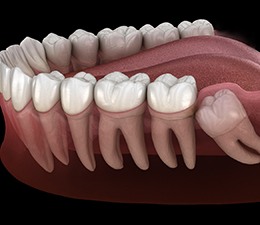
A lot of the time, wisdom teeth need to be removed because they can pose a serious threat to dental health down the road. Numerous issues can occur if wisdom teeth don’t have enough room to develop properly. This includes overcrowding, oral hygiene issues, discomfort, impaction, increased risk of cysts, and possible damage to surrounding teeth. Here are some signs that could indicate that you need your wisdom teeth extracted:
- Pain while eating
- Jaw stiffness
- Facial swelling
- Bas breath
- Difficulty opening the mouth
- Repeated infections
What to Expect From the Wisdom Teeth Procedure
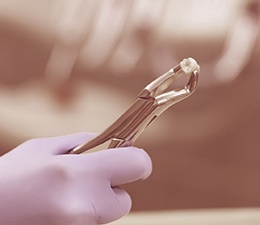
If your wisdom teeth have already erupted, dental forceps and an elevator will be used. If your wisdom teeth haven’t erupted, an incision will need to be made to expose the tooth and bone. Any bone that blocks access to the tooth will need to be removed. Sometimes, the tooth needs to be removed in pieces. Afterward, the site of the extraction will be cleared of any debris and stitches may be used to close the wound if necessary. Gauze is placed over the extraction site to control bleeding and help blood clots form and begin the healing process.
Recovering From Wisdom Teeth Extraction

After your procedure, it is common to experience bleeding, swelling, bruising, and discomfort, but this should subside over the next few days. During this time, it is especially crucial to maintain an excellent oral hygiene routine. This includes rinsing and brushing gently but being sure to avoid the extraction site. You should stick to soft foods and refrain from using straws while you drink. Take all prescribed and over-the-counter medications as directed. If you have any questions or concerns, give us a call so we can help.
Understanding the Cost of Wisdom Tooth Extractions

Even if you know that wisdom tooth extractions are the best way to restore your comfort and preserve your oral health, we understand that you’re probably interested in knowing how much the treatment will cost before you commit to it. While the team at Waterbury Smiles cannot provide you with a proper cost estimate until we have evaluated your molars at our office, understanding a little about how extractions are priced can help you develop an idea of what to expect. Here’s a quick look at the cost of wisdom tooth extractions from our Waterbury office.
Factors That Can Impact the Cost of Wisdom Tooth Extractions
The cost of your wisdom tooth extractions will depend on four principal factors, those being:
- How many teeth must be removed: Each tooth will be represented separately on your bill.
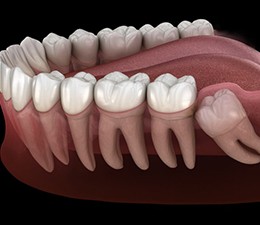
- Impaction: Wisdom teeth that have not emerged properly are impacted, which makes them more complicated and costly to treat. This can take the form of a soft tissue impaction, meaning the tooth is fully or partially submerged in the gums, or a bony impaction, meaning the tooth is lodged in the jawbone.
- Anesthetics: Wisdom tooth extractions are rendered painless with anesthesia. The cost of your anesthetic treatment will be noted on your bill.
- Complexity of the case: Especially complex extractions may require the patient to be referred to an oral surgery specialist who uses a different pricing structure.
Does Dental Insurance Cover Wisdom Tooth Extractions?

Some dental insurance policies do not offer coverage for oral surgery, but most will cover wisdom tooth extractions at least partially. However, your plan may impose limits on your coverage such as a yearly maximum or a waiting period, so we’ll be happy to help you navigate the terms of your policy before you commit to the treatment so you can know what to expect. You may be able to minimize the cost of your treatment if we are in network with your insurance provider.
How to Make Wisdom Tooth Extractions Affordable

We understand that some patients who need wisdom tooth extractions may have trouble fitting their treatments into their budgets, and we hope to ensure that everyone can get the oral care they need to stay healthy and comfortable. We partner with CareCredit, a trusted third-party financier that offers flexible financing options that break dental bills down into easy monthly payments with little to no interest. We’ll be happy to discuss your insurance, payment, and financing options during your consultation at our Waterbury office.
Wisdom Tooth Extractions FAQs
What Can I Eat After Wisdom Tooth Surgery?
In the hours and days following your wisdom tooth surgery, it’s important that you stick to extremely soft foods, like plain yogurt. Even as you start to heal, you should avoid acidic, spicy, sugary, and crunchy foods as well as hot and cold stimuli. That way, small food particles don’t get stuck near the extraction site, you lower your risk of soft tissue irritation, and the blood clot is left undisturbed.
Why Are Wisdom Teeth Called That?
Simply put, wisdom teeth earned their nickname because they usually make an appearance in early adulthood (between the ages of 16 and 25).
How Should I Prepare for My Wisdom Tooth Extraction?
There are a few things we recommend doing prior to your appointment. The first is reviewing your aftercare instructions and making sure you have everything you need – from soft foods to over-the-counter pain medication. It’s also a good idea to check in with us to see if we have any specific instructions for you, like wearing your glasses instead of contacts the day of, not eating prior to your procedure, or arranging for a trusted adult to drive you to and from your appointment. Lastly, make sure to avoid smoking and drinking alcohol.
How Do You Make Wisdom Teeth Pain Go Away?
To relieve pain stemming from your wisdom teeth in the long-term, you need to have them removed. If your procedure is still a few days or weeks away, don’t worry – there are a few short-term measures you can take to alleviate your discomfort, including placing a cold compress against the outside of your cheek for 20 minutes at a time, taking OTC pain medication as directed, and avoiding extremely crunchy foods.
Should Wisdom Teeth Be Removed If They Don’t Hurt?
That depends. After all, persistent pain is just one of the many reasons wisdom teeth are removed. If there isn’t enough room in your mouth for your third set of molars, or their presence dramatically increases your risk of oral health problems, then we will recommend having them extracted as well. Of course, we will review all of your treatment options at your consultation. That way, you can feel confident in your decision on how to move forward.
How Do You Avoid Dry Socket After Wisdom Teeth Removal?
If you haven’t heard of a dry socket before, it’s when the blood clot that protects your bone and nerves is dislodged. As you can imagine, this can result in quite a bit of discomfort. Plus, it delays the healing process considerably. Those are two of the many reasons we recommend following the aftercare instructions we give you to a tee, including not using a straw, blowing your nose, or smoking.
Note: If you have reason to believe that you have a dry socket, like you’re experiencing a sharp, stabbing pain, then call us ASAP so we can take a look at the extraction site.